Work / Research · GTM · India launch · August 2026
Dreamspantwo days of asking
Before telling a brand how to launch a ₹1.5 lakh sleep bed in India, I spent two days asking the people who would buy it, and the people who sell premium things to them.
The brief
Dreamspan is launching a sleep-tech bed in India (a dual-zone bed that measures your sleep with nothing on your body). The question was: who buys something like this, when, and how do you reach them?
What I did
- A poll across a 920-person alumni network on what health hardware people own and spend on: 40+ named respondents, sorted by device.
- 5 long interviews with people who spent their own money here: a sleep-tracker owner, a ring owner, a Whoop subscriber, someone who quit Whoop, a marathon runner.
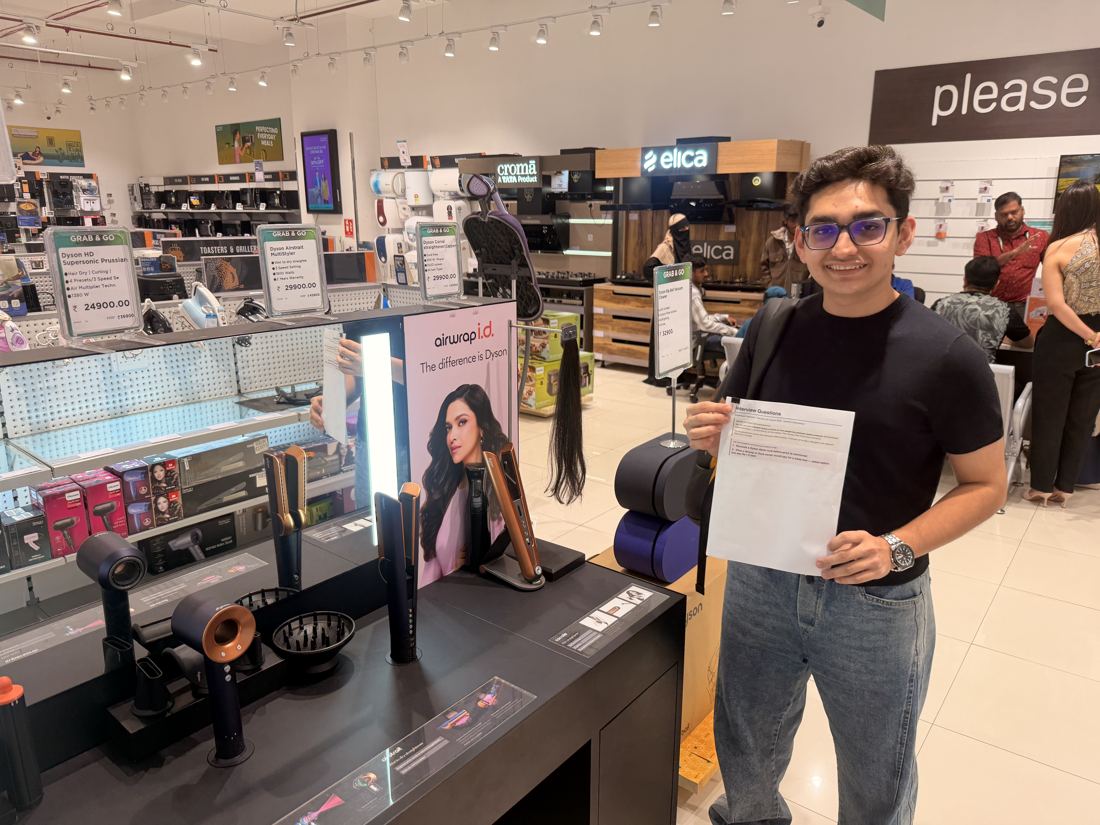
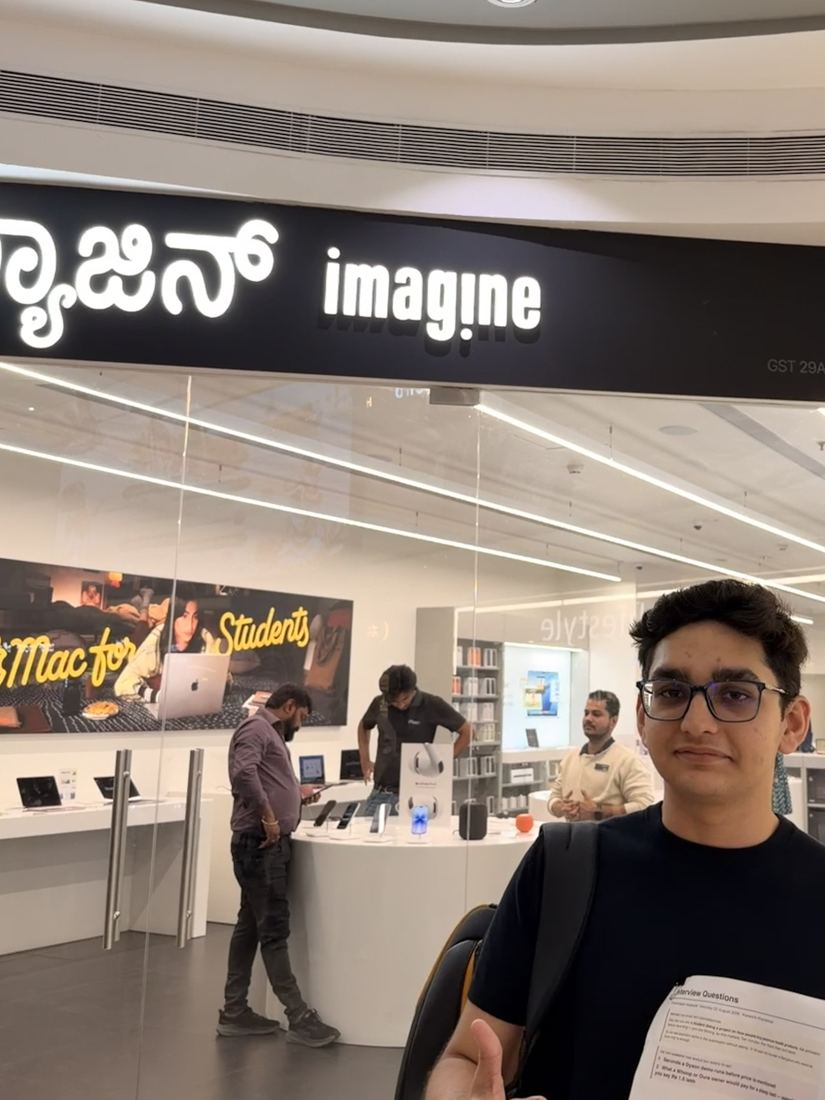
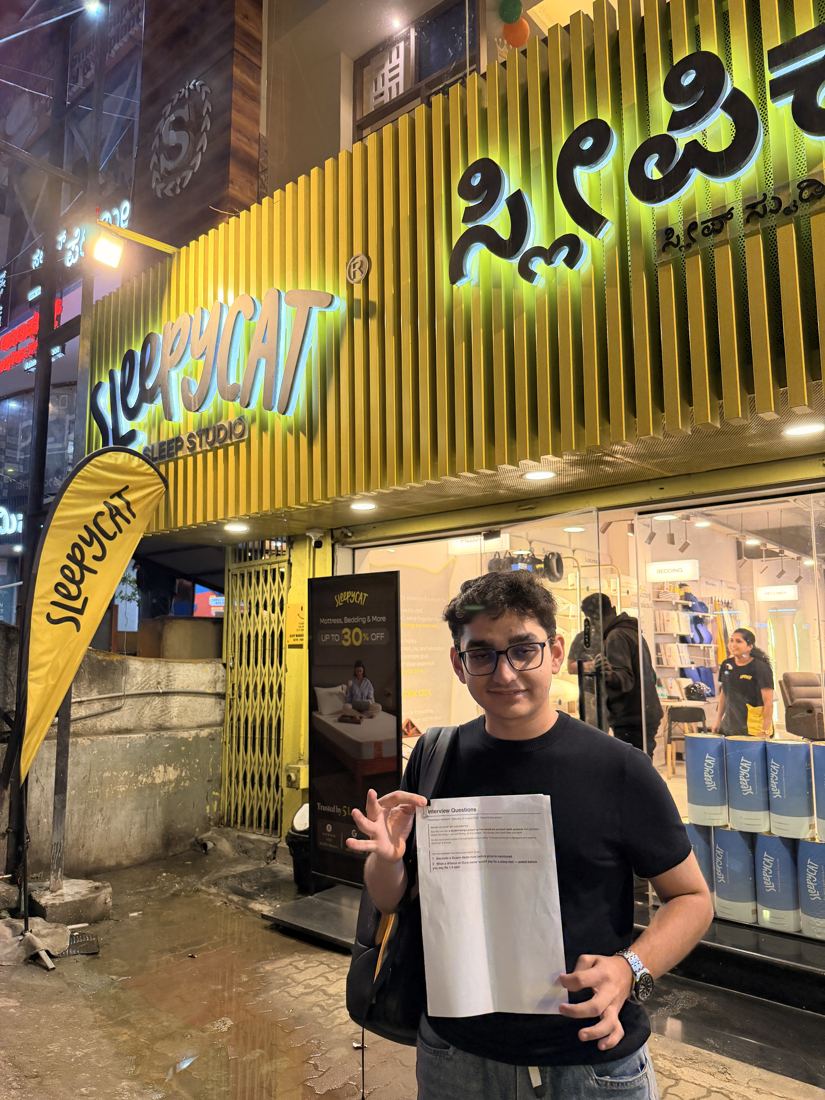
- 4 store conversations in Bengaluru with the people who sell premium hardware every day: Dyson, Apple, Samsung and Sleepy Cat.
Every price figure was volunteered before I said what the bed costs.
What I found
- Price is not the problem for these buyers. Three guessed ₹1.5 to 2 lakh before I said anything, and one nailed it exactly.
- The purchase moment is a renovation or a milestone. Nobody replaces a bed on a Tuesday.
- The strongest need is medical: the one person who had ever paid for sleep did it because a condition made sleep serious.
- Nobody wants to wear anything to bed. The bed measuring you with nothing on your body should lead.
- Too much data makes people quit. One person left Whoop not over money, but because it started asking for attention.
- Some people want no number at all. They want to wake up and feel a certain way.
- Use the partner as a moat. Half of Apple's customers walk in with one, and two people disagree about temperature.
What the poll said
Out of forty-odd people who spend real money on their health, one had ever spent it on sleep.
- Apple Watch, Garmin or Fitbit: 21
- Premium gym, CrossFit or coaching: 20
- Supplements, monthly: 15
- A health or home purchase over ₹50,000: 12
- Whoop band: 9
- Ironman, triathlon or marathon: 6
- Smart ring: 3
- Sleep tracker or smart mattress: 1
What the shops said
- Dyson: premium buyers have usually already decided; about 3 in 10 walk-ins buy on the spot.
- Apple: half arrive with a partner, and they reliably pick the middle option.
- Samsung: budget led, features and comparisons.
- Sleepy Cat: customers expect a trial; around 100 days is normal.
My conclusion: shops are the last place to sell an eight-hour product. You cannot prove it in ten minutes on a mattress.
The plan
Three moves, each with a number that says whether it worked:
- Put it in hotel suites, then hand guests their own sleep data at checkout. Measure how many buy within 60 days.
- Go through interior designers working on premium homes in Bombay, Bangalore and Delhi. Drop any city that has not produced three units in two months.
- Get it on credible people who already talk about their own health data, with no script and no approval.
A fourth costs nothing: doctors, starting small. We cannot make medical claims about a consumer product, and that needs a lawyer first.
Then a 30-day plan: week 1, rewrite the site around what the bed does and call the waitlist myself; week 2, sign two hotels and walk into ten design studios; week 3, first guests sleeping on it; week 4, count what worked and kill the other.
How big is it
My own bottom-up estimate, not a market report: about 20,000 to 25,000 Indians buy a premium ring each year. Filter to people who would put ₹1.5 lakh into a bed and it is 30,000 to 60,000. Of those, 2,000 to 3,000 are in a renovation or medical moment in any three months. 500 units is a real share of that, so aim at the moment, not the demographic.
What could go wrong
- They cannot make 500 units.
- Hotels and designers take longer to sign than a campaign takes to run.
- The medical route has a line it cannot cross: comfort and sleep quality, never treatment.
- I spoke to five people. Where two said the same thing independently I called it a pattern, not proof.